Know what's wrong with your car before the shop tells you
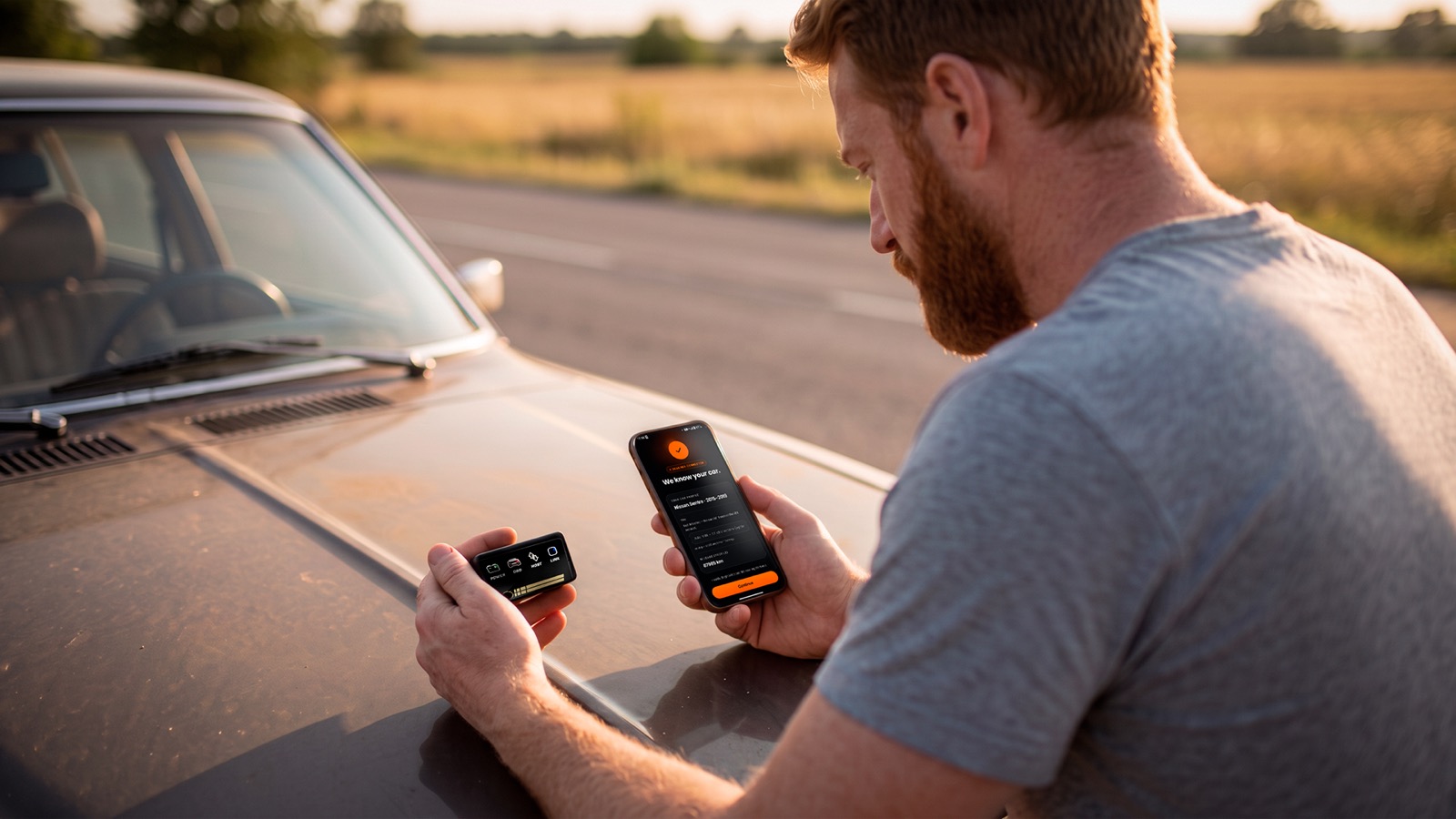
PulsCar pairs a scanner in your car with the app on your phone. Every time you drive, it records the trip on its own and watches engine temperature, battery voltage and fault codes — so you know what your car is doing, in plain English, and when to pull over. Starting day one.
How it works
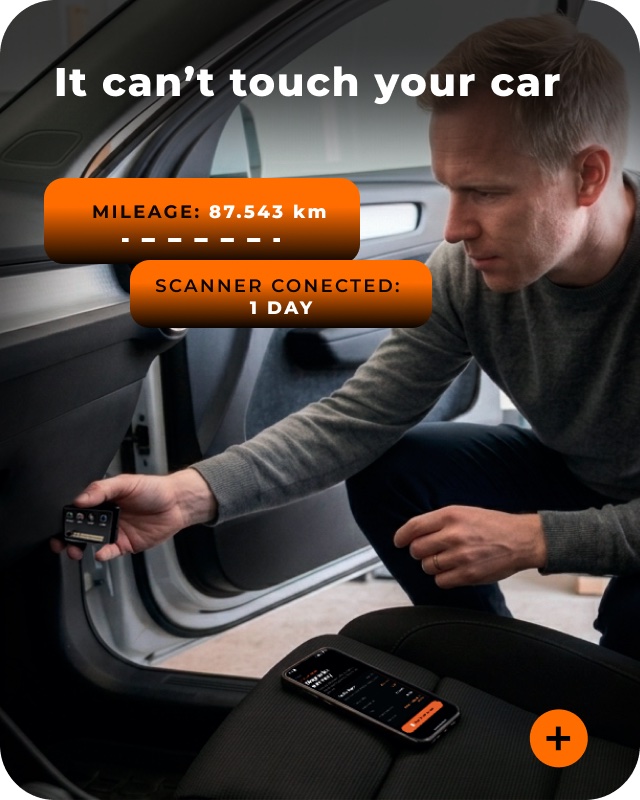
Under the steering wheel. Thirty seconds, no tools.
It reads six systems and learns what normal looks like for your car.
As soon as something moves off your car’s normal, in plain language.
Hand your mechanic the report instead of describing a noise.
Keep PulsCar plugged in, and you hear about problems while they’re still cheap
Left in the port, PulsCar reads 6 systems each time you drive with the app on your phone, screens a 20-second recording of your engine sound, and tells you the moment something drifts from your car’s normal — including faults your car has already logged but hasn’t lit up on the dash yet. You catch it while the fix still costs hundreds instead of thousands, walk into the shop with your own report, and stop paying for repairs your car doesn't need.*
Join nowYour odometer says one thing. Your engine says another.
Mileage is a number someone wrote down once. Car Age is what your car actually does — how it starts cold, how it holds voltage, how it sounds under load, how it heats in traffic. PulsCar turns all of it into one age and shows you exactly which system is pulling it up.
After a month, you'll know your car better than the mechanic who sees it once a year.

Hear something strange? Record 20 seconds and find out what it is.
Any noise that worries you — a squeal on cold start, a knock over bumps, a whine at speed. Pull out your phone and record it. PulsCar’s AI screens the recording and tells you what it most likely is and how soon to have it checked.
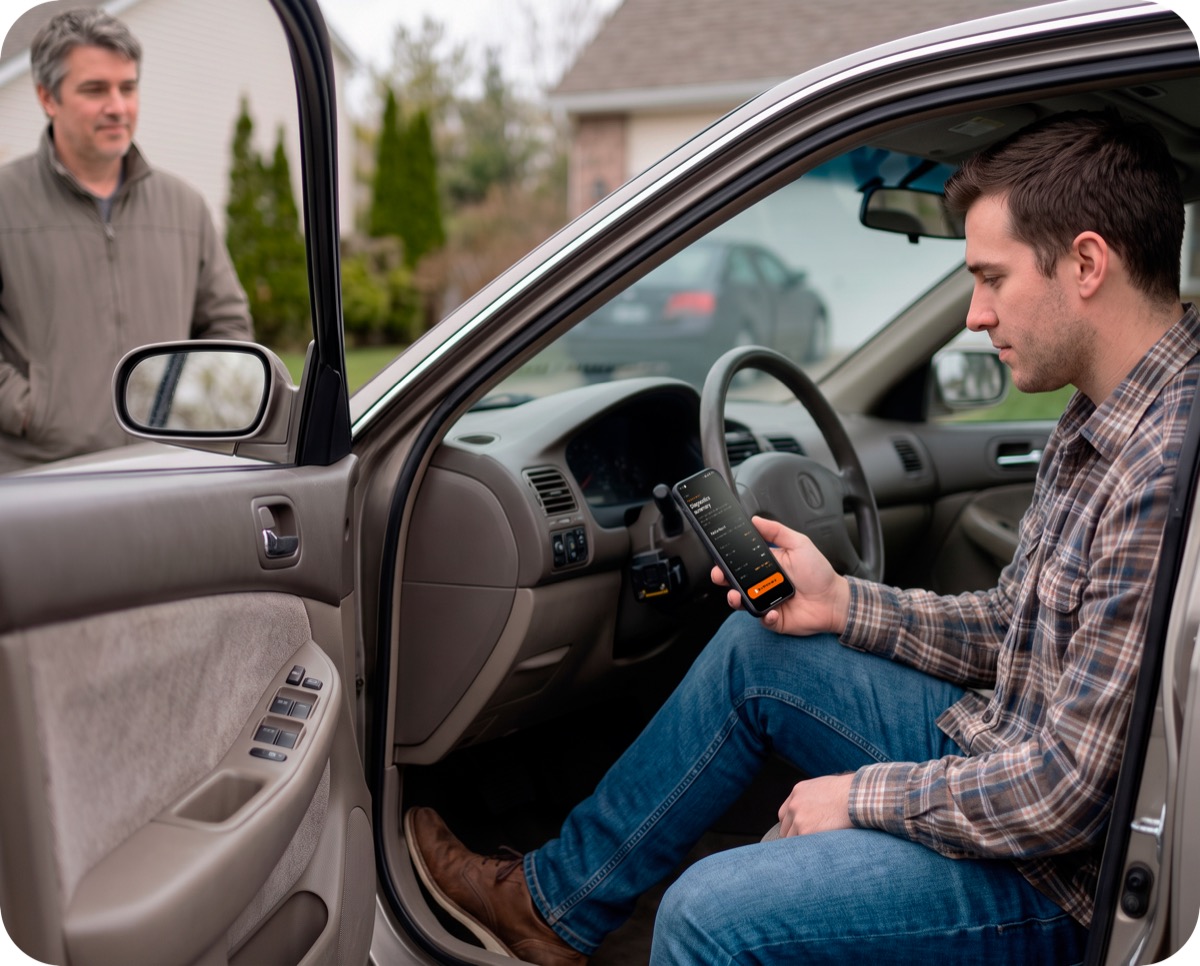
It works on any car, not just yours. Looking at a used one? Record the engine in the seller's driveway and hear what nobody's going to tell you.
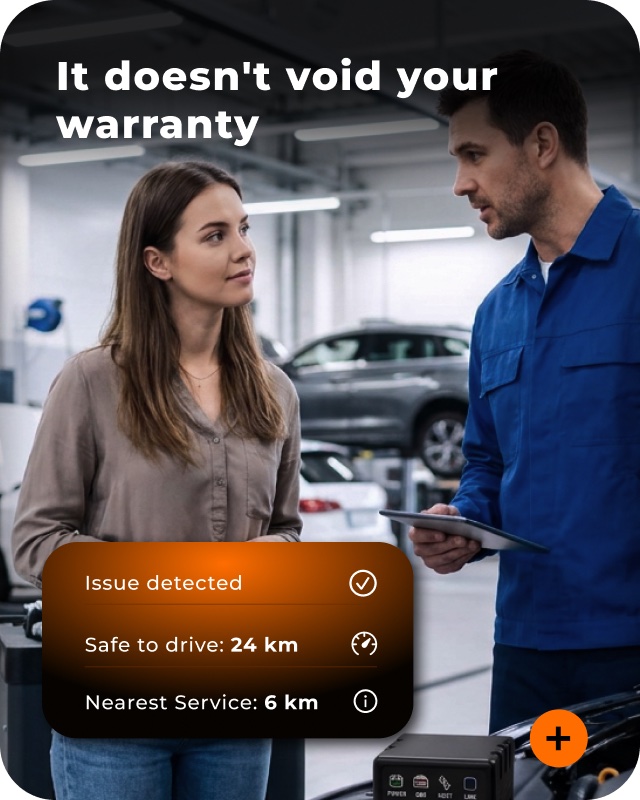
Send the result to your mechanic in one tap — the recording, the diagnosis, the fault codes, the history. The conversation at the shop starts with facts instead of "it makes a noise."
Join now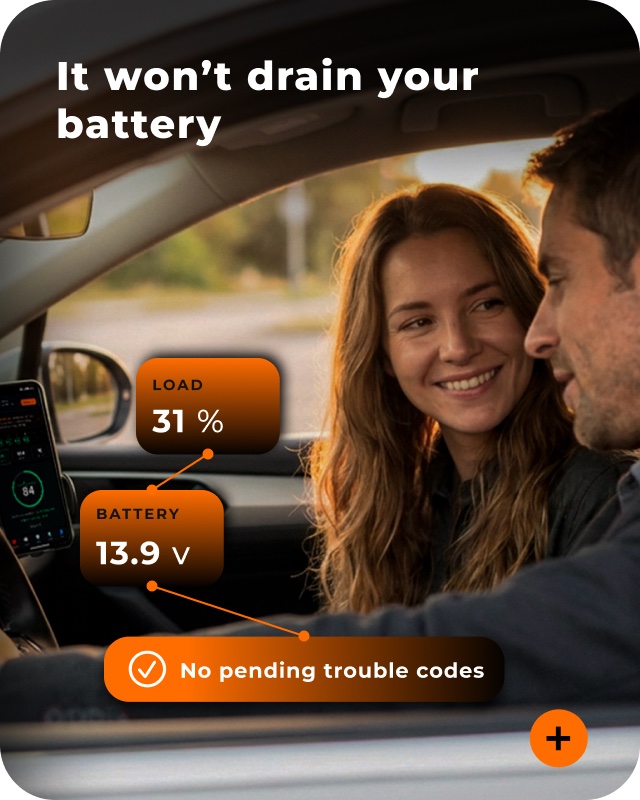
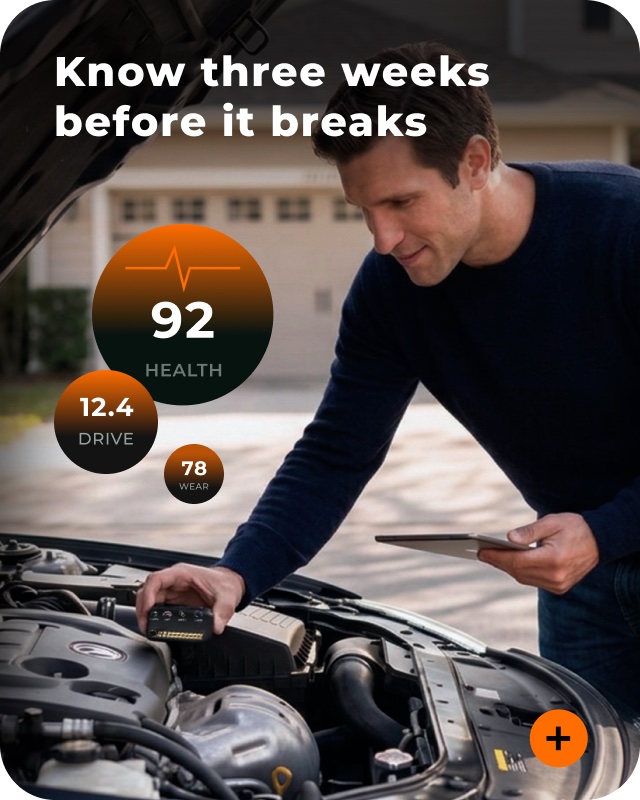


A $25 dongle shows you a code. PulsCar watches every drive and tells you what it means.
One membership. Everything included.
Every plan unlocks the full app — the difference is how long, and how many cars. The scanner is included in every membership.
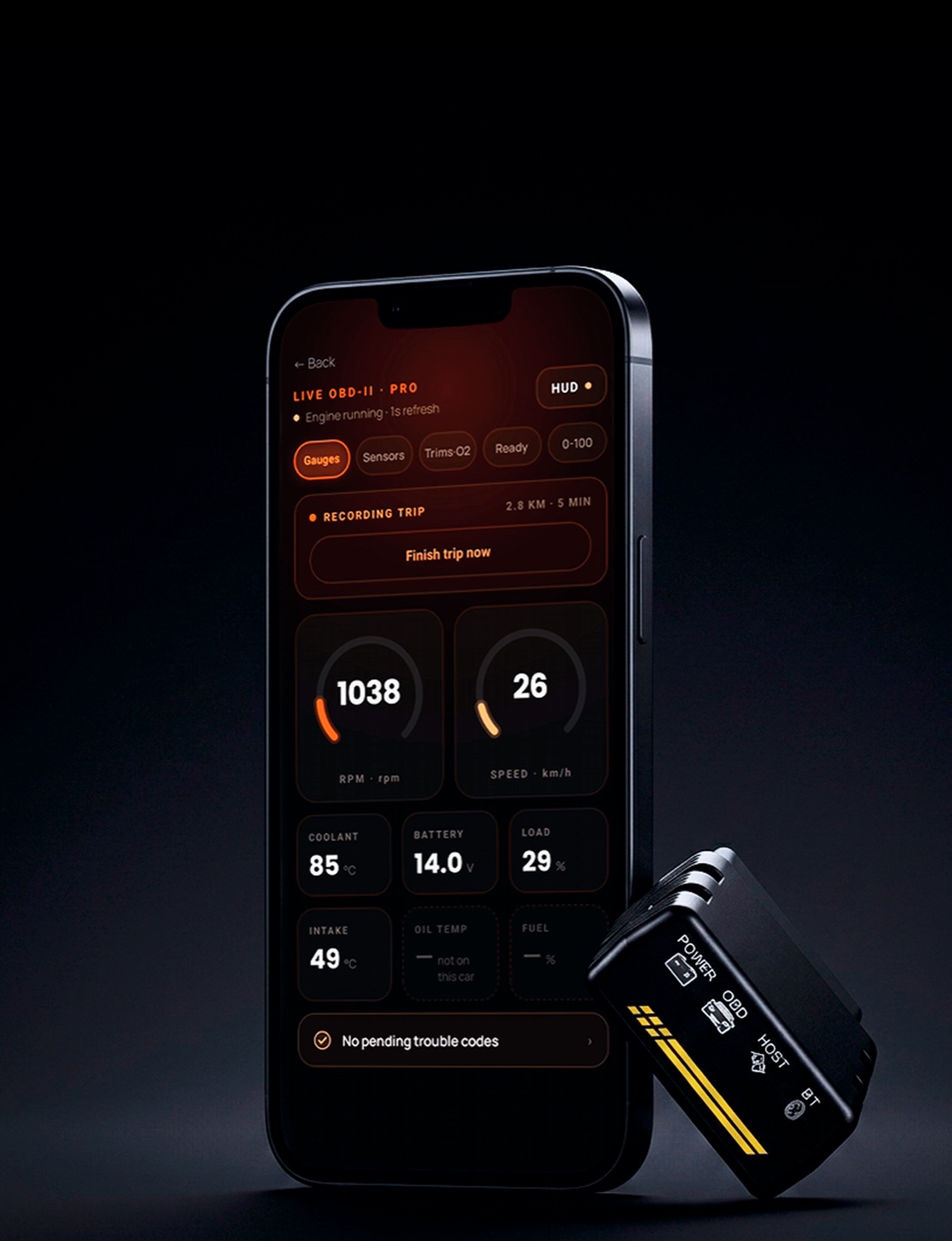
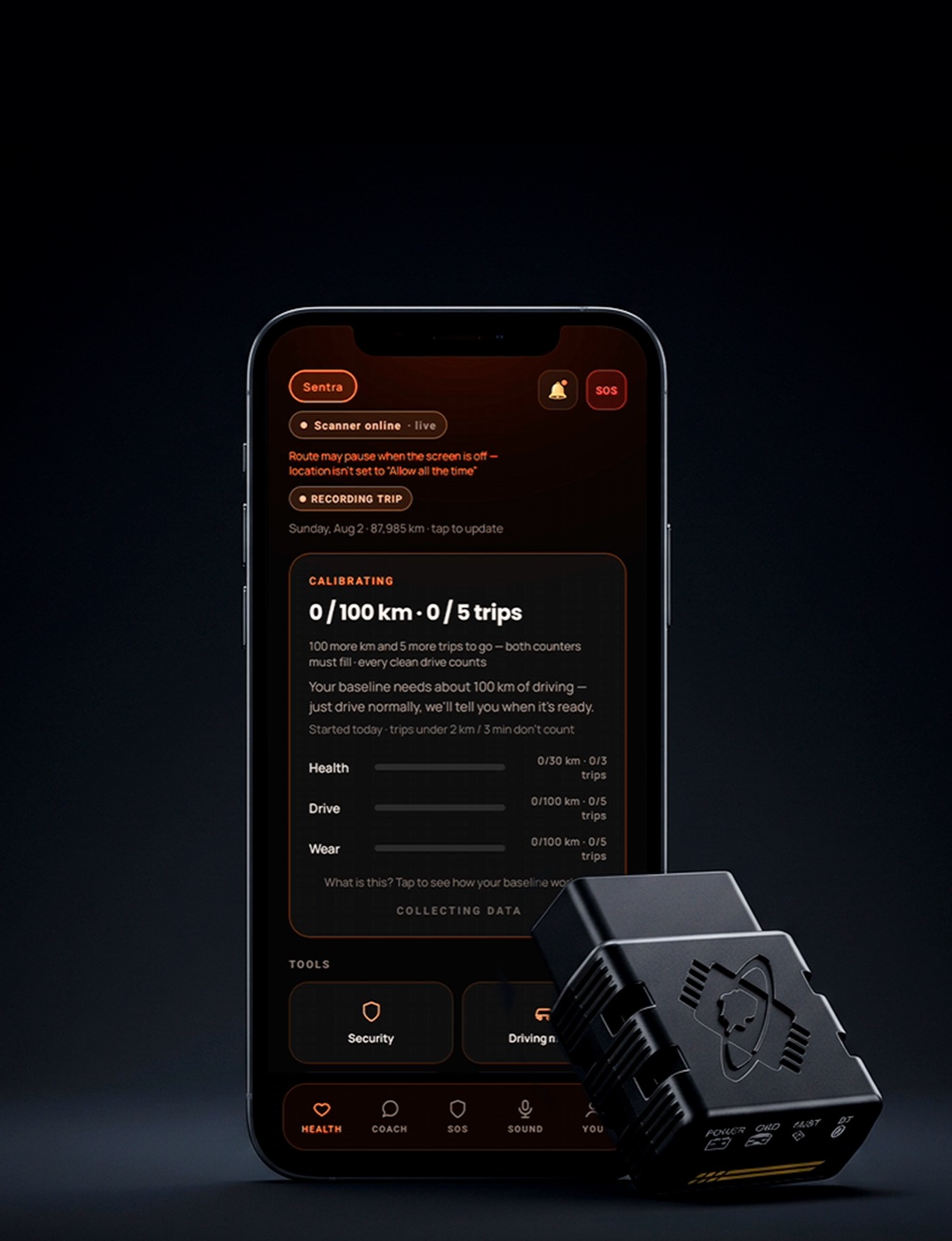
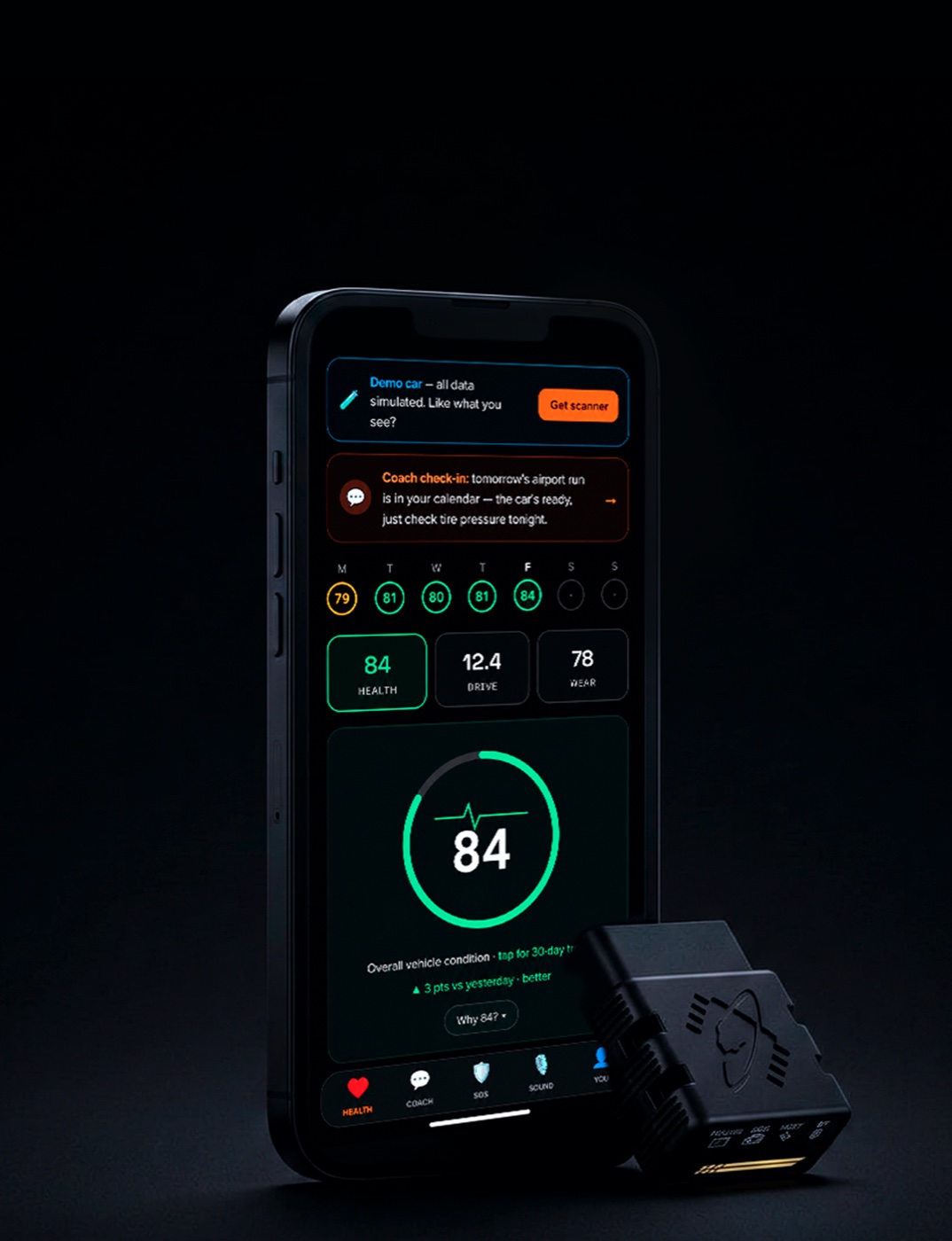
Install it now, then sign in with the email you bought with and activate your serial number. The scanner pairs in about thirty seconds.



Check your car before you decide.
Any car built after 1996 has the OBD-II port PulsCar plugs into — that's 99% of what's on the road. Not sure about yours? See the compatibility guide.
Check compatibilityBuilt to be plugged in 24/7
The OBDLink MX+ goes to sleep ten minutes after the engine stops and draws about 2 mA — less than your dashboard clock. Leave it plugged in for weeks and the car still starts.
One device, endless ways to use it


Fits what you already drive
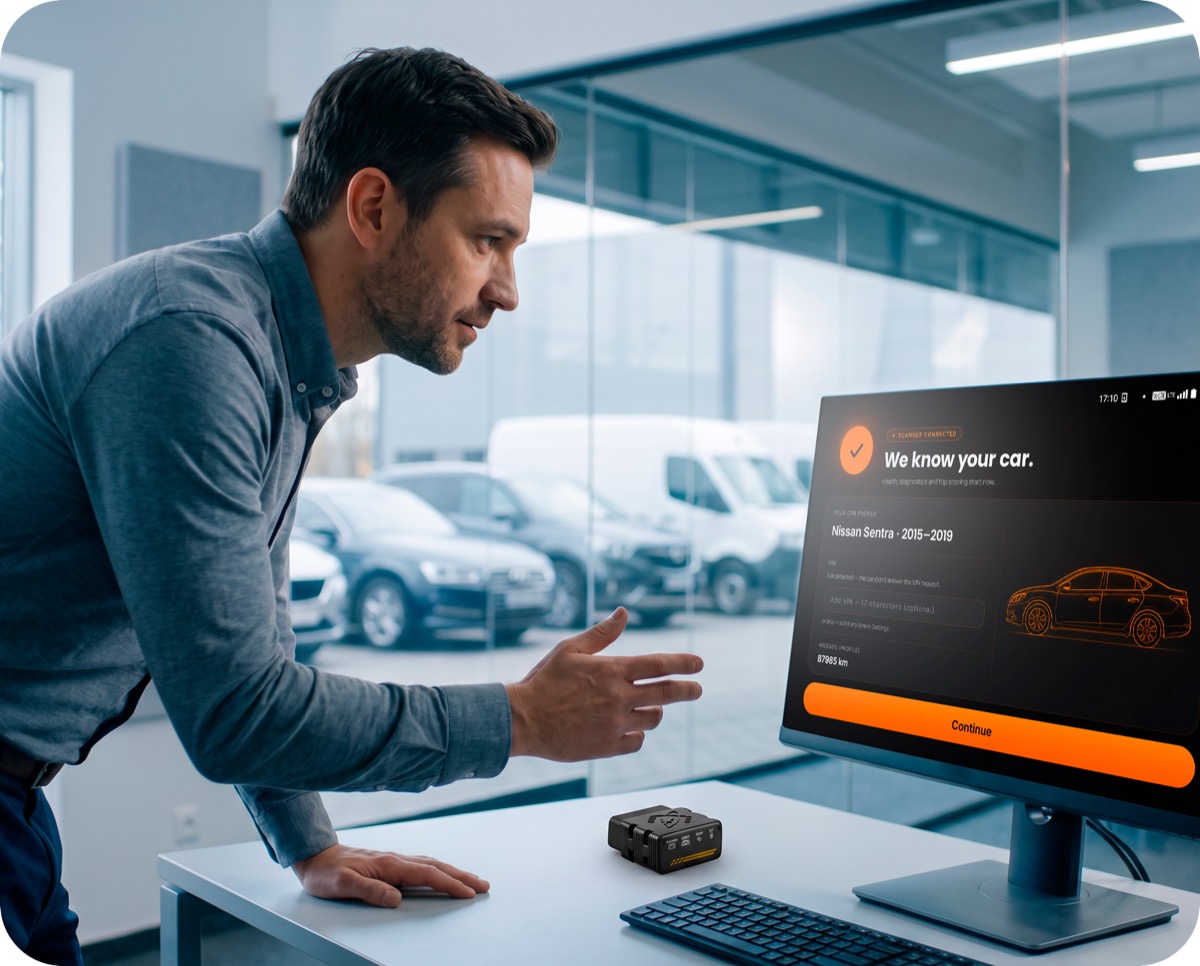
Any car built after 1996 — OBD-II, which is 99% of what's on the road. Unplug it, move it to another car, and it re-pairs in seconds while keeping a separate history for each.
Still have questions?
If your car was built after 1996 it has an OBD-II port — that's 99% of cars on the road. The OBDLink MX+ plugs into it under the steering wheel. No tools, no wiring.